INDUSTRIES → NGOS
Intelligence for Mission-Driven Human Capital.
Programme funding shifts, crises demand rapid deployment, and capability is scattered across programmes, partners and geographies. DISHA aligns people and partner capacity to mission — without turning mission data into intrusive workforce surveillance.
How can NGOs align scarce people, partner capacity, skills and field deployment with changing humanitarian and development needs without turning mission data into intrusive workforce surveillance?
Pain-Point → DISHA Solution Map
Select a pain point: root cause, DISHA intervention, workflow, data inputs and the measurable outcome open beneath.
Root cause
Grant cycles and crises reshape workforce needs abruptly
DISHA intervention
Scenario-based workforce planning aligned to programme objectives
How it works
Funding scenario → capability demand → deployment options
Data inputs
Programme plans, grant data (governed)
Measurable outcome
Plans that flex with funding reality (illustrative)
Industry Methodology
Mission needs set the clock — the methodology mobilizes capability while protecting the people involved.
The universal loop — the same in every industry
The universal loop runs continuously — every programme's lessons strengthen the next response.
Mission Capability Map
Choose the programme — capability demand, staff/volunteer/partner capacity and the mission workforce brief re-compute on synthetic data.
Programme
Mission workforce brief — Humanitarian response
Capability demand
Rapid-roster deployees · logisticians · field coordinators
Capacity mix (staff · volunteers · partners)
Staff 40% · volunteers 35% · partners 25% (illustrative mix)
Readiness (illustrative)
46%
Gap
Deployment-ready logisticians below 48-hour bar
Mission options
- 1. Pre-cleared rapid roster (30)
- 2. Partner surge framework
- 3. Logistics skills sprint
Illustrative scenario — synthetic data. Data minimization is by design: no intrusive surveillance of staff, volunteers or the people served; safeguarding decisions stay human.
WHY DISHA HERE
Mission Intelligence Without Intrusive Surveillance
DISHA's value for NGOs is alignment under restraint: employees, volunteers, partners and contractors represented with distinct permissions; rapid deployment supported; learning linked to programme needs — with a strong privacy and data-minimization posture for sensitive contexts.
See Workforce PlanningIntegration With Your Mission Stack
DISHA overlays your existing systems — partner and donor data connect only where permitted and appropriate.
Systems of record / operational systems
APIs, events or governed data pipelines
DISHA data & knowledge layer
Intelligence/AI
Existing workflow or DISHA UI
Human decision
Outcome feedback
Adoption Options
Overlay first; embedded intelligence inside existing applications; module-by-module adoption; and a broader end-to-end workforce intelligence layer when the organization is ready.
Overlay
DISHA reads governed data and adds intelligence without replacing the system of record — typical first use: workforce planning / capability mapping
Embedded
DISHA insight appears inside an existing workflow — typical first use: ATS, HCM, WFM, project, operations or training workflow
Module-by-module
Selected DISHA capabilities activated independently — typical first use: skills, readiness, learning, mobility, analytics
Full intelligence layer
Multiple intelligence modules share a common human-capital model — typical first use: enterprise transformation
Full platform
The complete Human Capital Operating System — strategic transformation
Role-Based Value
Executive Director
Decision: Where does capability risk threaten the mission?
Data: Mission-critical coverage, funding alignment
DISHA: Evidence → scenario → decision
Outcome: Mission strategy grounded in workforce evidence
Country Director
Decision: Can we deliver this programme with the people we can reach?
Data: Country capability views, partner capacity
DISHA: Planning + deployment
Outcome: Programmes staffed within real constraints
Programme Director
Decision: Is capability flowing to where impact happens?
Data: Programme demand vs supply
DISHA: Deployment scenarios
Outcome: Delivery capacity where it counts
People/HR
Decision: How do we support staff and volunteers together?
Data: Federated views with distinct permissions
DISHA: Capability graph + pathways
Outcome: One mission workforce, respectfully managed
Emergency Response Lead
Decision: Who is ready to deploy within 48 hours?
Data: Readiness pool, availability (consented)
DISHA: Rapid mobilization
Outcome: Response built on evidence, not phone trees
Volunteer Manager
Decision: Do volunteers see growth, not just tasks?
Data: Volunteer capability and pathways
DISHA: Learning pathways
Outcome: Volunteering that builds portable capability
M&E/Impact
Decision: What evidence reaches donors — without intrusion?
Data: Aggregate capability outcomes
DISHA: Evidence packs
Outcome: Donor conversations backed by honest data
Safeguarding/Data Protection
Decision: Is data minimization actually enforced?
Data: Permission scopes, audit trails
DISHA: Governance enforcement
Outcome: Protection provable at any review
Partner Capacity Lead
Decision: Where does partner capacity need strengthening?
Data: Partner capability views (where permitted)
DISHA: Capacity development
Outcome: Partnerships that grow local capability
Tangible Business Outcomes & Measurement
Every outcome is a measured KPI with a baseline, target, measurement period, data source and owner. Illustrative figures below are placeholders for YOUR data — never promised improvements.
| KPI | Baseline → Target (illustrative) | Period · Source · Owner |
|---|---|---|
| Mission-critical capability visibility | 45% → 80% (illustrative) | Quarterly · Capability graph · Owner: Ops |
| Rapid-deployment mobilization time | 96h → 48h (illustrative) | Per activation · Readiness pool · Owner: Emergency lead |
| Learning linked to programme needs | 38% → 75% (illustrative) | Per programme · Learning data · Owner: L&D |
| Succession/knowledge continuity coverage | 20% → 55% (illustrative) | Annual · Continuity map · Owner: People/HR |
Illustrative scenario shown in the product demo — real figures come from your connected, validated data with published measurement definitions.

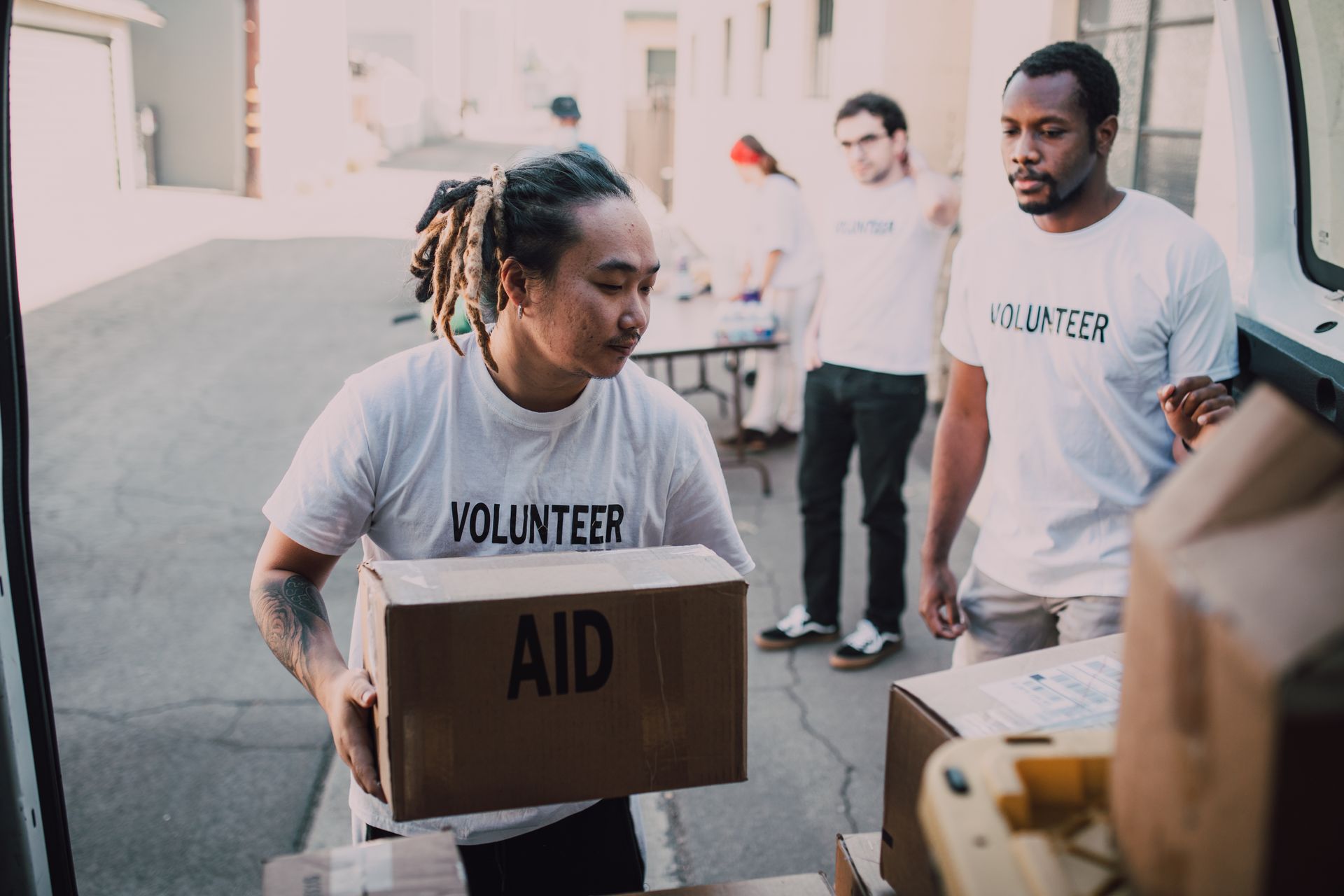
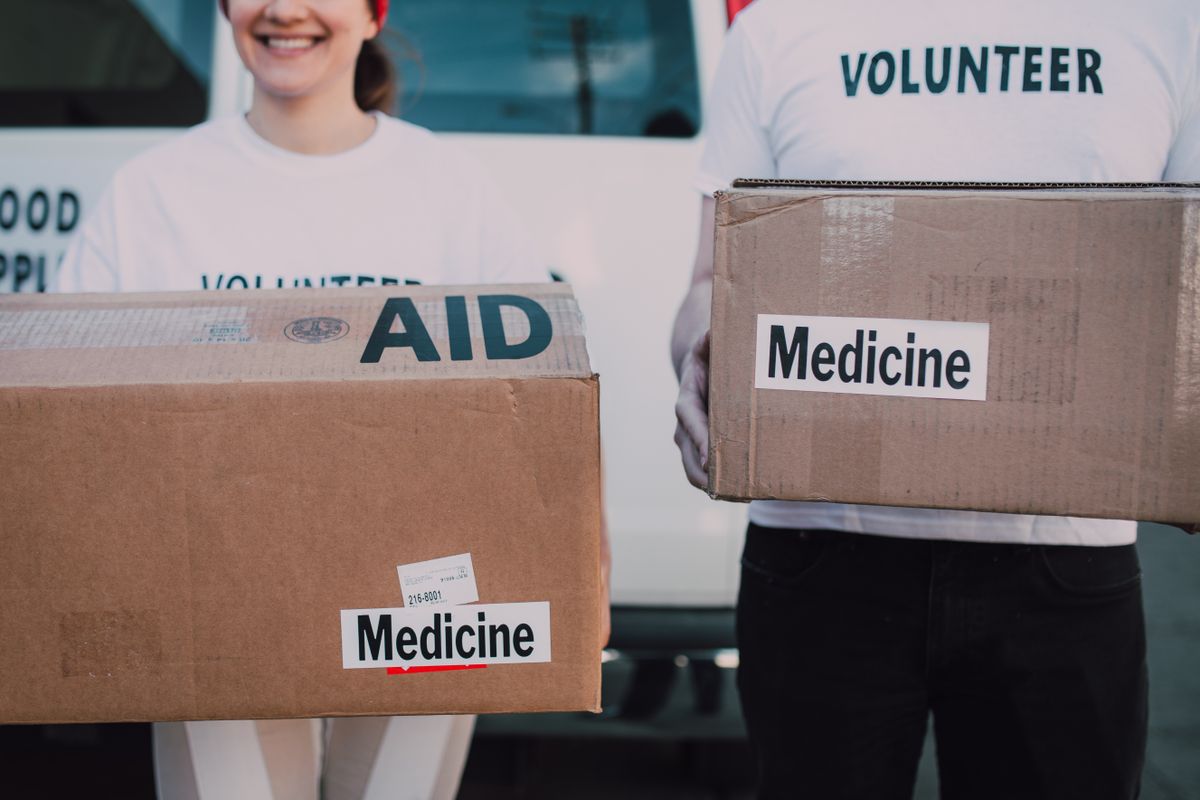
THE HUMAN LAYER
Mission Runs on Committed People
Field teams, volunteers, partners and contractors carry the mission where it matters most. Workforce intelligence supports them — capability mapped for deployment and learning, with data protection for the vulnerable people they serve.
AI & Agent Architecture
Industry intelligence agent
Humanitarian and development context within purpose limits
Inputs: Licensed sector data, programme corpora
Context briefs · Human: strategy approves
Skills/capability agent
Maps programme needs to staff, volunteer and partner capability
Inputs: Skills profiles, training records (consented)
Capability map · Human: individual confirms
Readiness agent
Explains deployment readiness with availability and constraints
Inputs: Capability, availability (permissioned)
Readiness view · Human: manager review
Matching/staffing agent
Suggests deployment and partner options for missions
Inputs: Capability graph, eligibility
Options list · Human: leadership decides
Scenario agent
Compares deploy, develop, partner or hire interventions
Inputs: Scenario configs, workforce model
Compared options · Human: leaders choose
Executive briefing agent
Traceable mission-workforce briefs with assumptions
Inputs: Aggregate insights, provenance
Briefing pack · Human: leaders decide
Governance agent
Enforces data-protection and safeguarding boundaries
Inputs: Audit logs, policies
Compliance trail · Human: governance sign-off
Governance, Security & Responsible Intelligence
CONCEPT FILM
Mission-Driven Human Capital — NGOs
90–120s · reserved film slot
Serve the mission. Protect the people who carry it.
Where This Connects
Canonical pillars — the concepts beneath
Solutions most used in this industry
Keep exploring
Listing mission roles or seeking experts? The Employers and Mentors marketplaces run on the same verified structure. →Related industries
- Technology & IT →
- Banking, Financial Services & Insurance →
- Healthcare & Life Sciences →
- Education & EdTech →
- Manufacturing & Industry 4.0 →
- Automotive & EV →
- Energy & Utilities →
- Infrastructure & Construction →
- Retail & E-commerce →
- Telecommunications →
- Logistics & Supply Chain →
- Government & Public Sector →
- Professional & Business Services →
- Hospitality, Travel & Tourism →
- Global Workforce, Staffing & Mobility →
- Aerospace →
- Defense →
- Mining →
- Agriculture →
- Maritime →
- Semiconductors →
- Pharmaceuticals →
- Gig Economy →
- Research →
Research & Resources
External references for context — attributed to their sources; not proof of DISHA outcomes.
Intelligence That Serves the Mission — and Its People
Run the industry simulation, explore integration architecture, build a discovery brief — or talk to an expert about a technical workshop and API architecture review.